Layoff numbers, benefit cuts, restructuring announcements — they land on a screen looking clean and clinical, like spreadsheet math. But every single figure in that math is a person who woke up this morning with a mortgage, a family, a sense of who they were built around a job that might not be there tomorrow. Somewhere between the headline and the human, something essential keeps getting lost.
The workplace has always shaped mental health. We just never treated it that way.
Adults spend most of their waking hours at work, the same way kids spend most of theirs at school. And yet for years, the entire mental health strategy inside most workplaces amounted to one thing: a number to call if you're struggling, quietly tucked into a benefits packet nobody reads until they're desperate. No real prevention. No real conversation about anxiety or depression, even though those two conditions touch the overwhelming majority of people at some point. Just a hotline and the unspoken expectation that you'd fix yourself quietly and come back functional.
Toxic workplaces don't just affect the person clocking in. They ripple through everyone connected to them.
A stressed, unsupported employee doesn't leave that stress at the office door. It comes home. It shapes how they parent, how present they are, how much capacity they have left for anyone who needs them. When a workplace grinds someone down, the damage doesn't stay contained to business hours — it spreads into every relationship that person is responsible for holding together.
Forward-thinking isn't a buzzword. It's the difference between scrambling and being ready.
The organizations that weathered sudden, massive shifts well weren't the ones reacting in real time — they were the ones who'd already quietly built the infrastructure before anyone forced their hand. Telehealth capability in place before a pandemic made it mandatory. Wellness support built out before burnout became an undeniable crisis everyone was finally forced to name. Being ahead of the curve isn't about predicting the future perfectly. It's about taking the need seriously before the emergency makes it impossible to ignore.
Right now, real people are losing more than paychecks.
When someone loses a job, especially in a wave of layoffs affecting an entire agency or industry at once, they're not just losing income. They're losing benefits, structure, community, a piece of their identity that had nothing to do with a title and everything to do with purpose. And the mental health toll of that loss is not abstract — it is already showing up in the most devastating ways possible, in real families, in real workplaces, right now.
"We see you" has to be more than a phrase. It has to be a practice.
Real support doesn't look like a passive statement of solidarity. It looks like intentional, ongoing action — safe spaces built specifically for the people going through it, education pushed out consistently instead of once and forgotten, someone showing up in the community every month instead of disappearing after the initial headline fades. People experiencing this kind of loss need somewhere to actually land, not just somewhere to be acknowledged.
Self-care isn't a luxury reserved for people who have their lives fully together.
Whether you're actively job hunting, freshly laid off, or just trying to hold everything steady while everything around you shifts, taking care of yourself isn't the thing you get to once the crisis passes. It's the thing that determines whether you have anything left to offer once it does.
And underneath all of it is one simple, urgent truth:
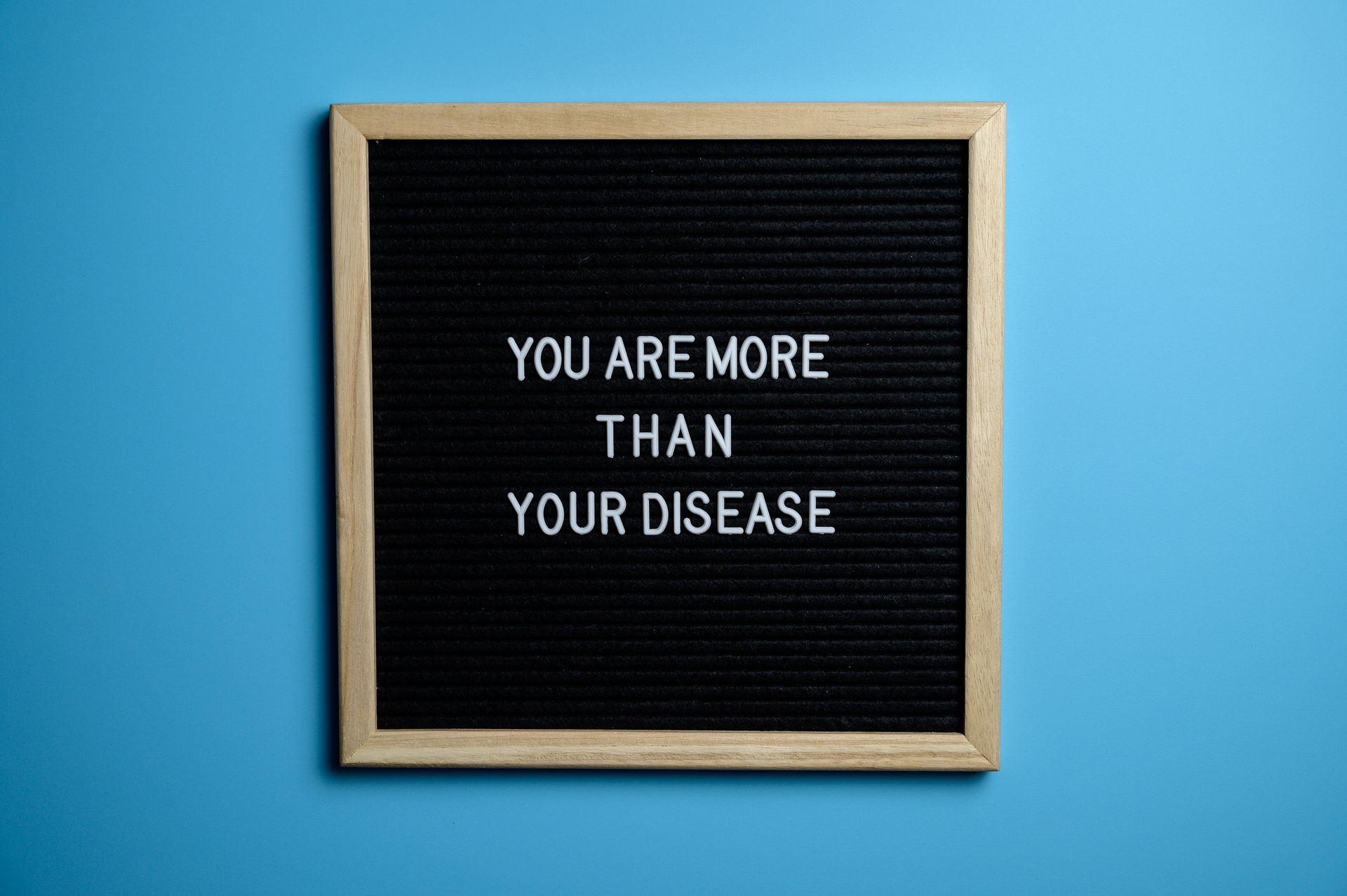
Every statistic is a person. Every layoff number is someone's whole life quietly rearranging itself overnight. If workplaces, communities, and the people around them don't start treating mental health as essential instead of optional, the cost of that oversight will keep showing up in ways far more devastating than a number on a spreadsheet ever could.