The Cramps Aren't The Cost Of Being A Woman
Girl, sit down for this one, because I need you to hear it the way it landed on me: half the things we've been calling "just how my body is" were never actually normal — they were just the only version of ourselves we've ever known. Bloating, chronic exhaustion, hair thinning you chalked up to age, weight that showed up after a pregnancy years ago and just never left, joint pain you've decided is the cost of getting older — every one of those gets waved off as ordinary because it's familiar, not because it's actually fine. Familiar and fine are not the same thing. The body doesn't create symptoms for no reason. It creates them because something underneath is asking for attention.
There's a real difference between medicine that hands you something for the sleeplessness and medicine that asks why you can't sleep in the first place — what's actually happening genetically, environmentally, or in your daily life that's driving it. One approach quiets the noise for a night. The other one goes looking for what's actually making the noise happen. And that difference shows up nowhere more clearly than in what women have quietly normalized about their own cycles. Cramping, bloating, breast tenderness every single cycle — plenty of women have carried that their entire menstruating lives and assumed it simply comes with the territory. It doesn't have to. Once the actual imbalance driving it gets addressed, those symptoms can disappear so completely that keeping track of your own cycle requires checking a calendar instead of just waiting for your body to remind you the hard way.
The same logic holds for old pain that never fully went away. A scar doesn't have to mean permanent discomfort. Old injuries, old surgeries, lingering pain that's been explained away as "just how it healed" — inflammation is often still very much active underneath that story, and reducing it can bring real relief long after everyone assumed the window for healing had closed.
Then there's the catch-all everyone reaches for once they hit their 30s and beyond: perimenopause. Night sweats, bloating, weight gain — women are quick to file all of it under perimenopause and stop asking further questions. But those same symptoms can just as easily point to a nutritional deficiency, a hormone imbalance, or something else entirely that has nothing to do with that phase of life. Without real bloodwork, a guess dressed up as an explanation is still just a guess — and it can quietly let something else go unaddressed.
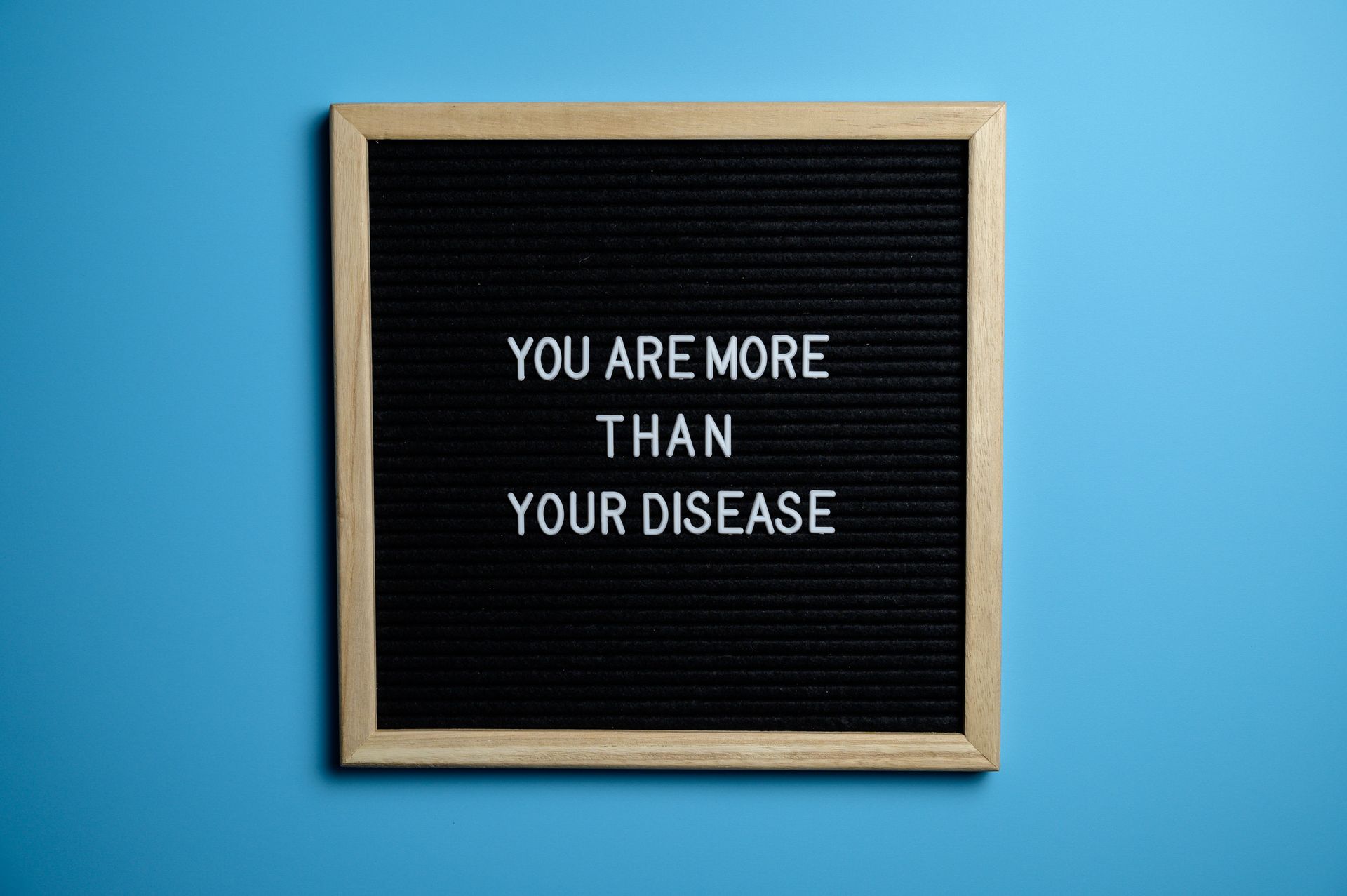
A diagnosis can become a cage if you're not careful, too. The moment you're handed a label — this condition, that disease — there's a real risk of settling into it, letting it explain and excuse everything from that point forward. Talking instead about imbalance — too much of this, too little of that, a system running out of sync — keeps the door open. It's not about avoiding the truth of what's happening. It's about not letting a name become a life sentence you never fully investigate again.
Getting to real answers usually means becoming a bit of a detective in your own body. Bloodwork, a full history, symptoms mapped out system by system — real answers take real investigation, not a quick guess based on the most obvious explanation. The body rarely has just one thing going on. Liver, kidneys, hormones, nutrition — it's all connected, and treating one piece in isolation while ignoring the rest rarely gets you all the way to actual relief.
And all of this matters more the earlier you start paying attention. Being proactive now is what determines who you get to be later. The habits, the attention, the willingness to actually investigate what your body is telling you in your 20s and 30s — that's not just about feeling better today. It's what quietly shapes what your 70s, 80s, and 90s are going to look like. Small, consistent attention now compounds into something much bigger down the line.
So here's the whole point, plain and simple: just because something has always been true for you doesn't mean it was ever supposed to be. Familiar isn't the same as fine. And it's worth finding out the difference.